
THE JOURNAL / Architecture
Designing with Natural Light
How daylight, thoughtful openings and spatial planning transform the atmosphere of contemporary spaces.
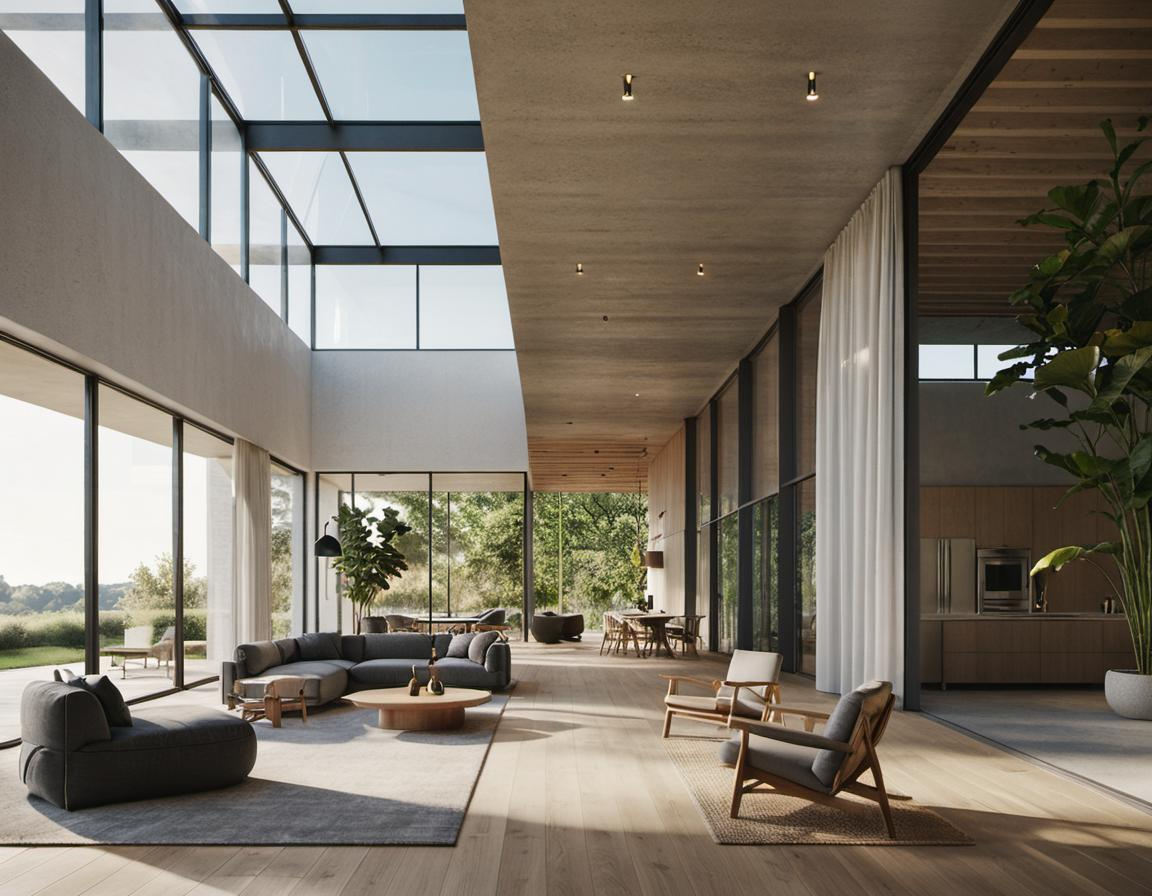
Natural light is one of the most influential elements in architecture. Beyond illuminating a room, it shapes atmosphere, reveals materials and changes how we experience a space throughout the day.
Architecture That Responds to Daylight
Thoughtfully positioned windows, open courtyards and carefully designed openings allow sunlight to move naturally through a building. The result is an environment that feels connected to its surroundings.
Balancing Light and Comfort
Successful daylight design is not simply about introducing more glass. Shading devices, building orientation, privacy and heat control are equally important, particularly in warmer climates.
Materials and Atmosphere
Stone, timber, plaster and textured surfaces respond differently to natural light. These subtle variations bring depth and warmth to an interior without relying on excessive decoration.
A More Considered Approach
When daylight becomes part of the early design process, spaces can feel calmer, more welcoming and more responsive to everyday life.
Sample editorial content for website UI review. Subject to studio approval.